Athens, Greece, is a city steeped in history, but navigating its ancient ruins with little ones in tow requires some inside knowledge. As a family who lived just 30 minutes outside of Athens for five years, we spent countless weekends exploring the city with our young children and hosting visiting family and friends. We have compiled our recommendations and family-friendly tips to help you navigate this ancient capital.
Overview of Archeological Sites, Parks and Public Spaces, Museums, and Shopping
| Activity/Site | Key Highlights | Family-Friendly Tips |
|---|---|---|
| Acropolis | Parthenon, Caryatids, Mars Hill, Odeon of Herodes Atticus | Not stroller friendly; buy tickets at the Agora to skip the line |
| Agora | Stoa of Attalos, Temple of Hephaestus | Flatter terrain and quieter; great for kids to explore |
| Roman Forum | Tower of the Winds | Small site; can be viewed from the street |
| Temple of Olympian Zeus and Hadrian's Arch | one of the largest temples in the ancient world; Arch build in 131 AD | Can combine with visit to gardens; can be viewed from outside gates |
| National Garden | Playground, duck ponds, shaded walking trails | Best for a mid-day break with shade to escape the sun |
| Syntagma Square | Changing of the Guard | Every hour; arrive early for a few; no shade in the square |
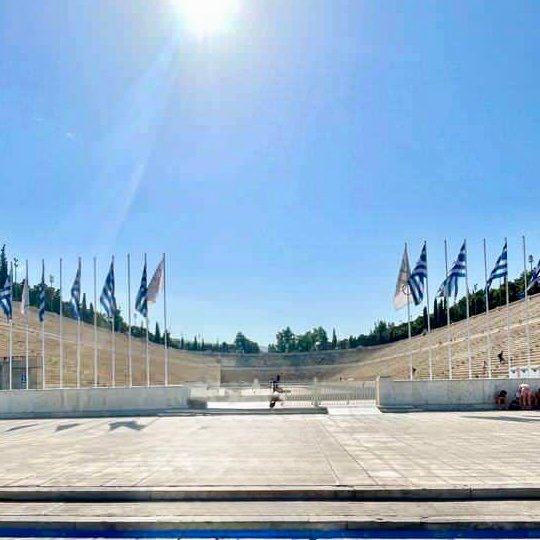
| Panathenaic Stadium | Marble Olympic Stadium | A bit of a walk from Plaka; good for a quick photo from outside |
| Acropolis Museum | Original Caryatids; Parthenon friezes | Great shaded Cafe with Acropolis views |
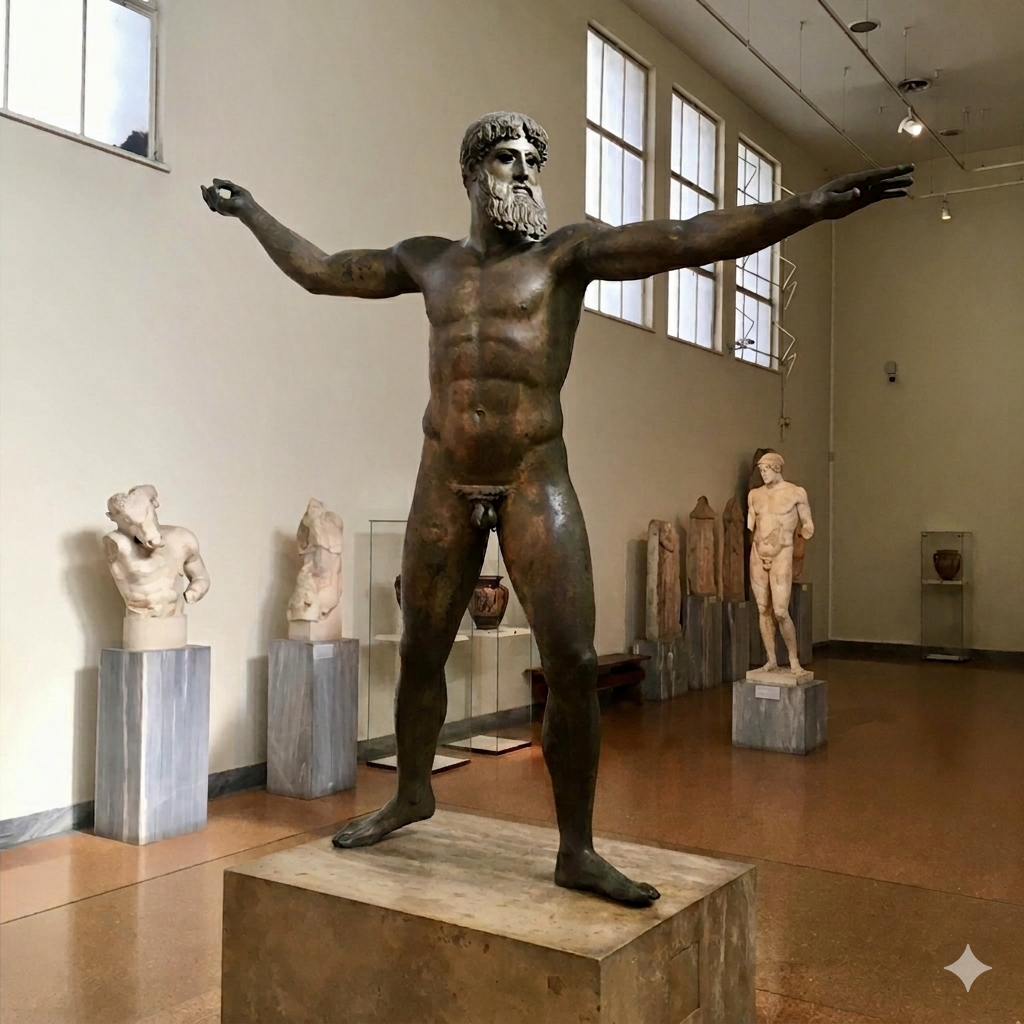
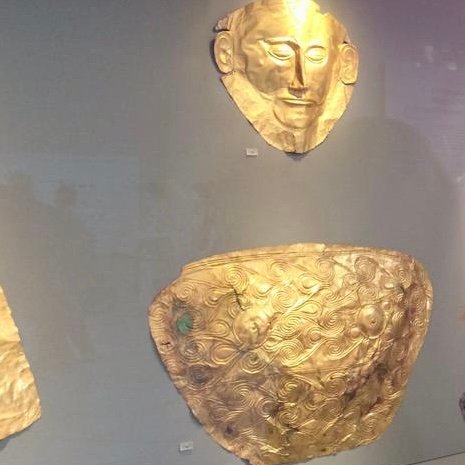
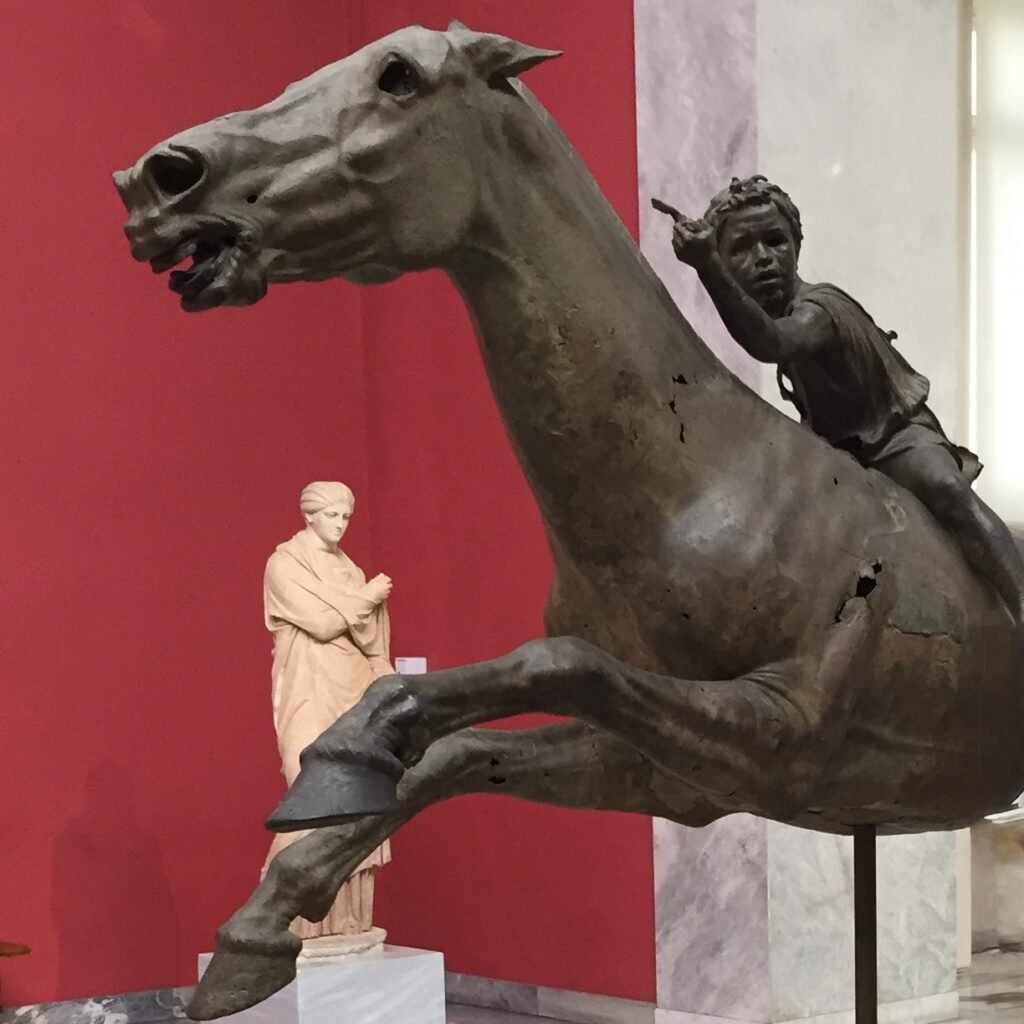
| National Archaeological Museum | Mask of Agamemnon, Bronze Statue of Zeus/Poseidon, Statuette of Athena | Strollers not allowed; air conditioned |
| Shopping Areas | Ermou, Plaka, Varvakios Market | Souvenirs, Retail Shops, Fresh Market |
Quick Family Guide and Tips
- Guides: Only guides with a Ministry of Tourism Badge can conduct tours inside historical monuments. Other guides may only drive you between sites; clarify this before booking. We prefer using the “Rick Steves Audio Europe” app, which features four free audio guides (Acropolis, Agora, City Walk, and Archaeological Museum) that can be downloaded to your phone and listened to at your own pace.
- Summer Heat: Visiting in summer is popular but incredibly hot. Most sites have minimal shade. Plan activities for the early morning, and bring plenty of water, hats, and sunscreen.
- Accessibility: Athens is generally not stroller-friendly. Consider bringing a hiking backpack or baby carrier instead.
- Arrival & Parking: We recommend public transit or a taxi. Driving and finding parking in the city center is incredibly challenging.
- Where to Stay: Stay within walking distance of the main monuments you wish to visit. In the summer, booking a hotel with a pool is a major plus for cooling off in the afternoons.
- Safety: While Athens is generally safe, be careful of pickpockets in busy central areas like the Acropolis, Monastiraki, and Syntagma Square.
- Footwear: Wear sneakers or comfortable, sturdy footwear for navigating rocky archaeological sites and uneven pavements.
Archeological Sites
Acropolis
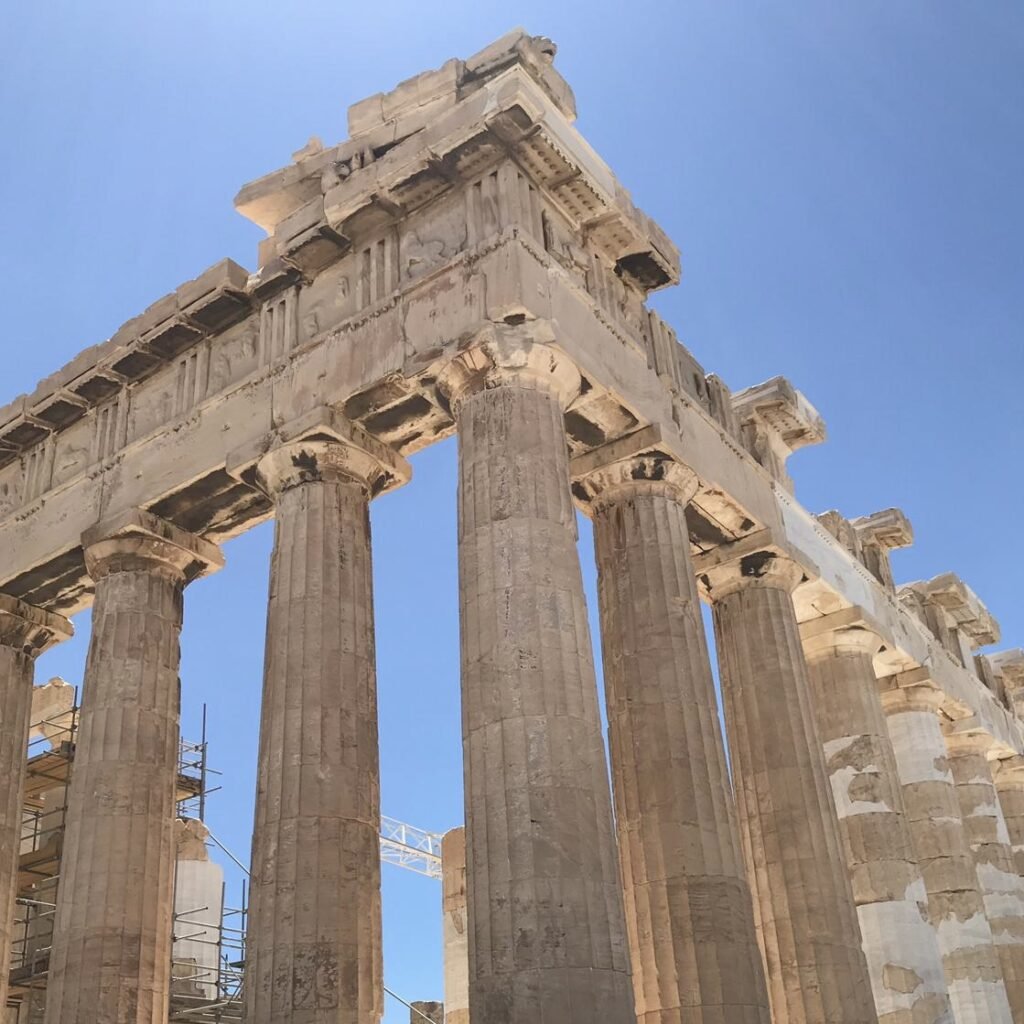
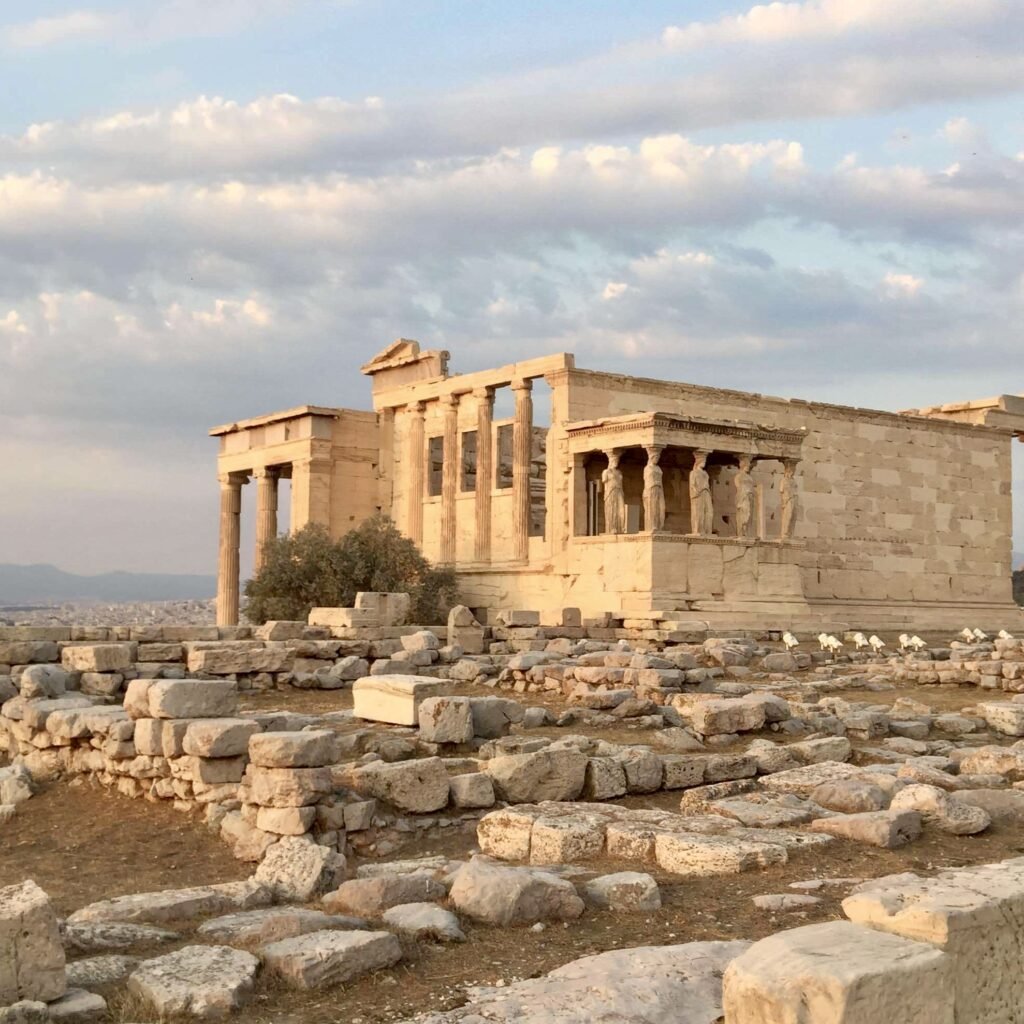
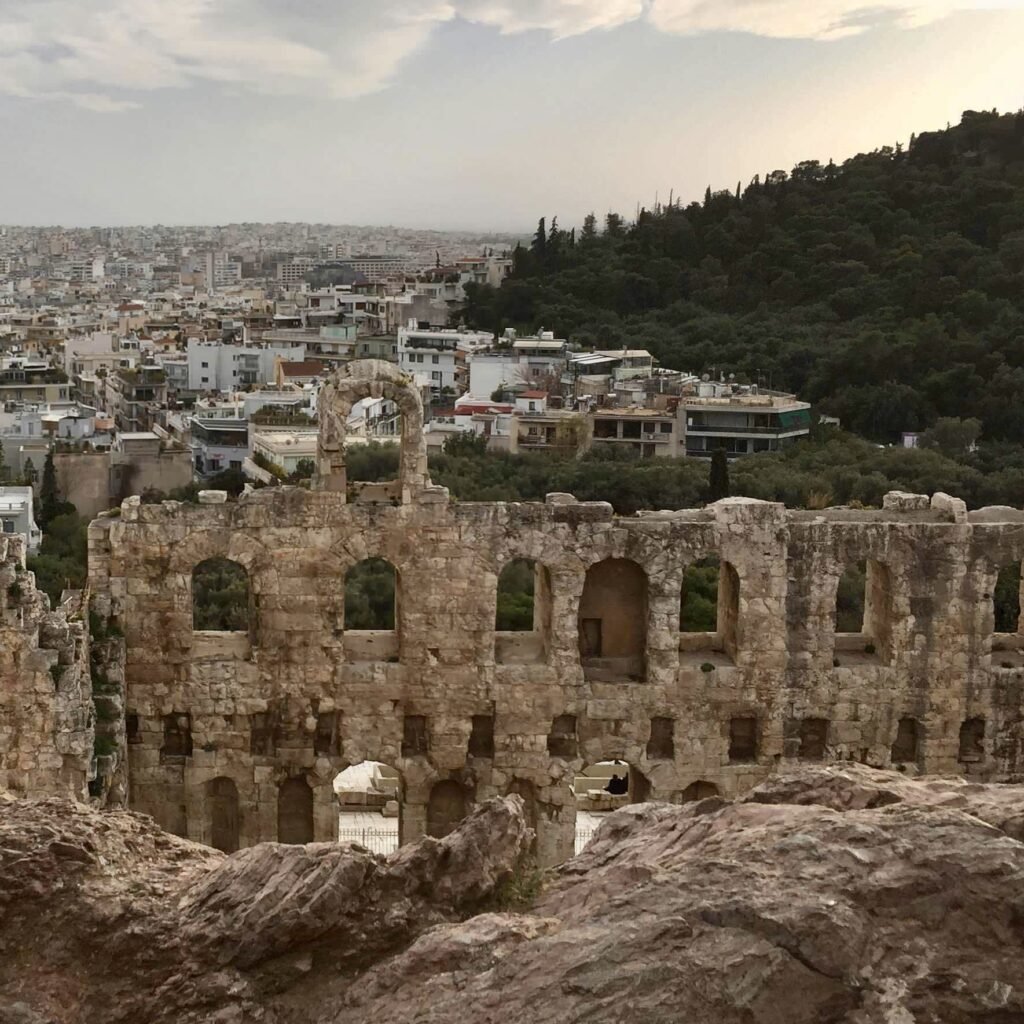
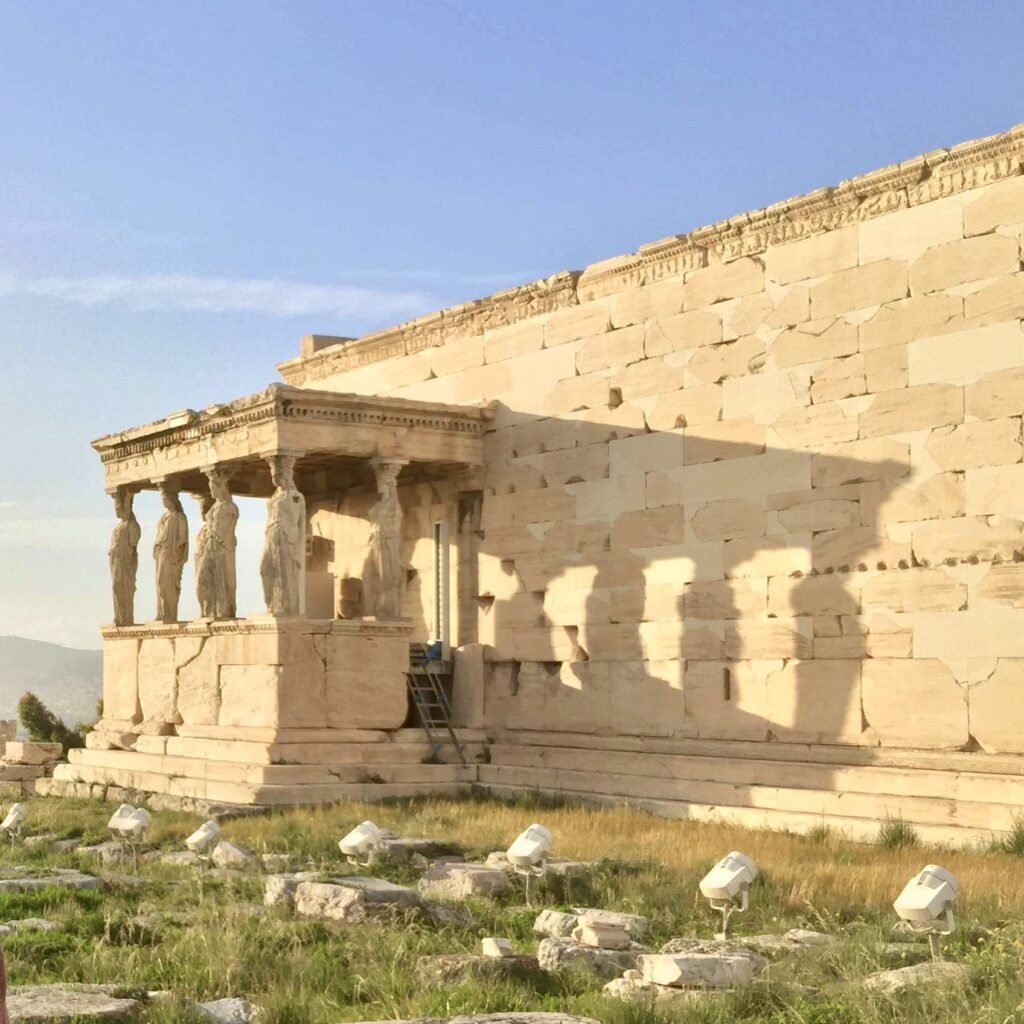
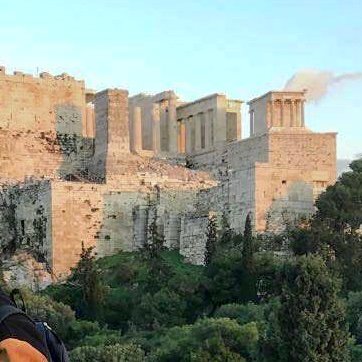
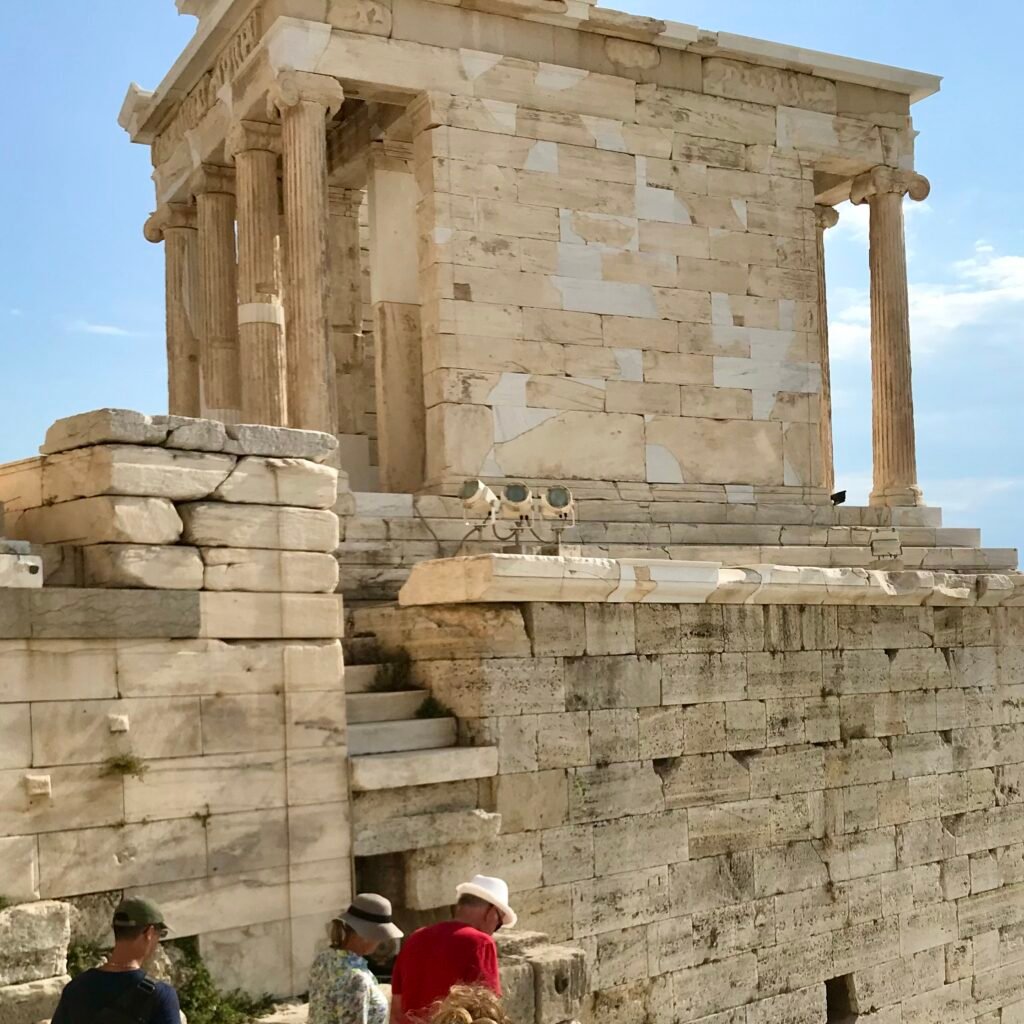
A trip to Greece would not be complete without a visit to the Acropolis. The site has a rich history, and we highly recommend downloading the Rick Steves app for a free audio guide. Highlights include the Propylaea, the Parthenon, the Temple of Athena Nike, the Erechtheion with its beautiful Caryatid statues, the Odeon of Herodes Atticus, and the Theater of Dionysus. Areopagus, or Mars Hill, is located just outside the complex; this is the famous rock where the Apostle Paul addressed the Athenians.
We took our son up to the Acropolis many times before he was one year old. It is not stroller-friendly, so a baby carrier is best. Bring sunscreen, hats, and plenty of water, and make sure to wear sturdy shoes because the ancient marble can be very slippery.
If you visit in summer, the lines to enter the Acropolis can be long. Consider buying a combination ticket that includes both the Ancient Agora and the Acropolis. We preferred to buy our tickets at the Agora, where the line tends to be shorter, so we could skip the ticket line at the Acropolis. You can also save time by using the south slope entrance next to the Acropolis Museum and the Theater of Dionysus, which tends to be less crowded.
Ancient Agora
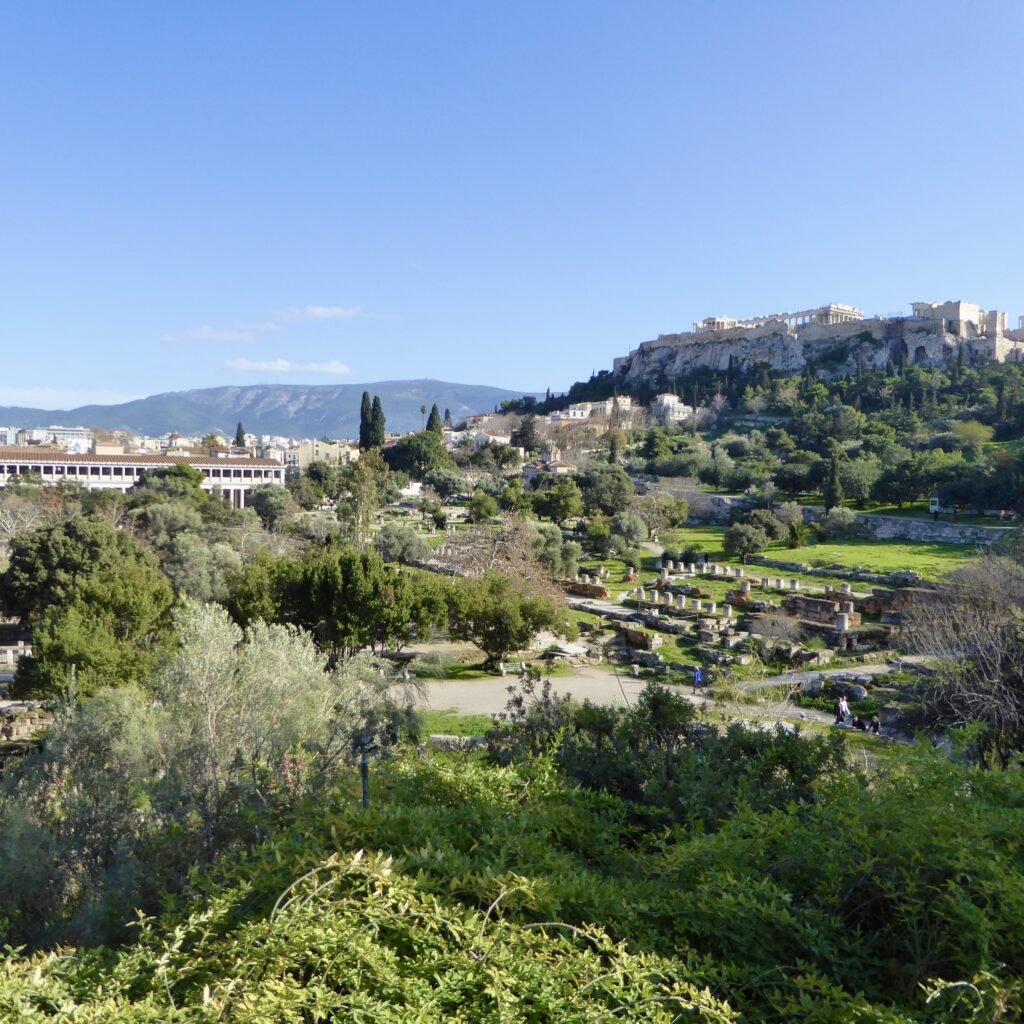
The Ancient Agora is another top archaeological site in Athens and a true family favorite. It is generally quieter and flatter than the Acropolis, making it much easier for kids to explore. We recommend purchasing your combination ticket here since the lines are shorter.
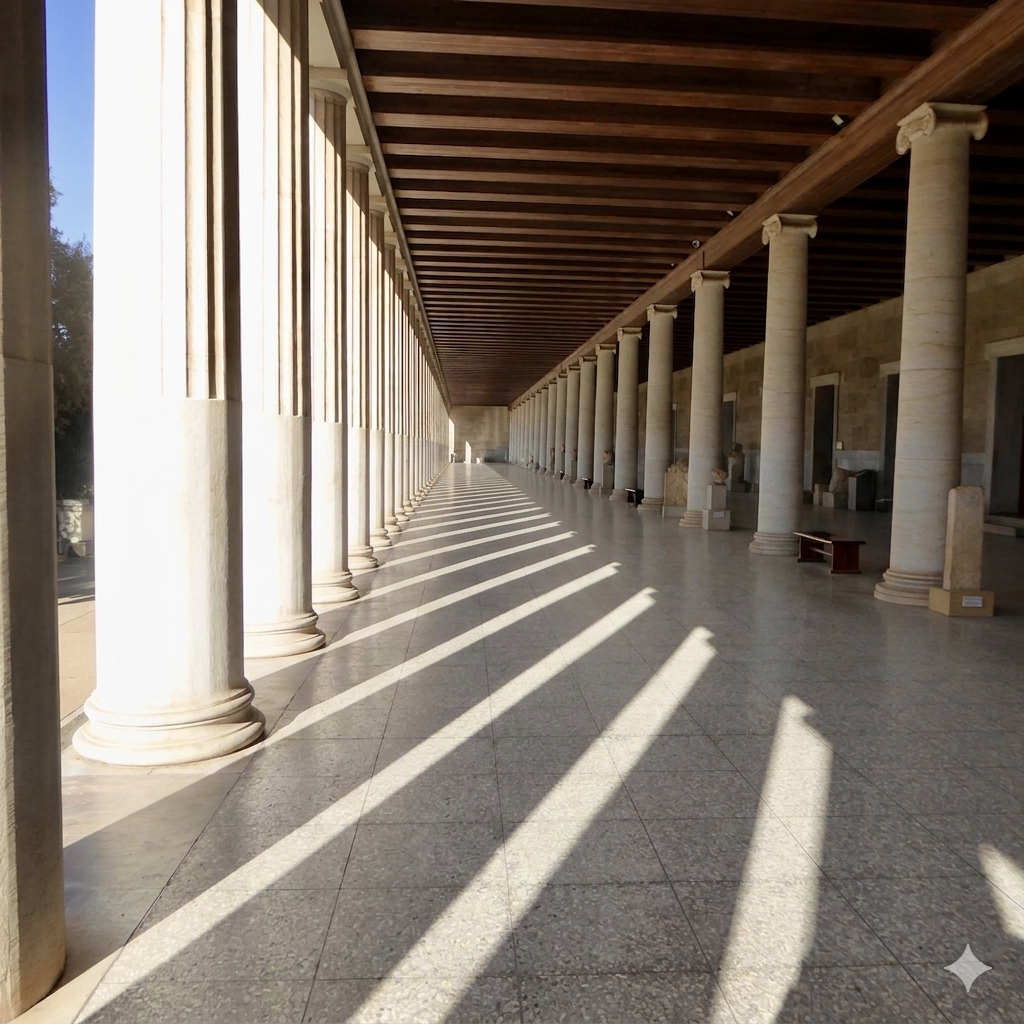
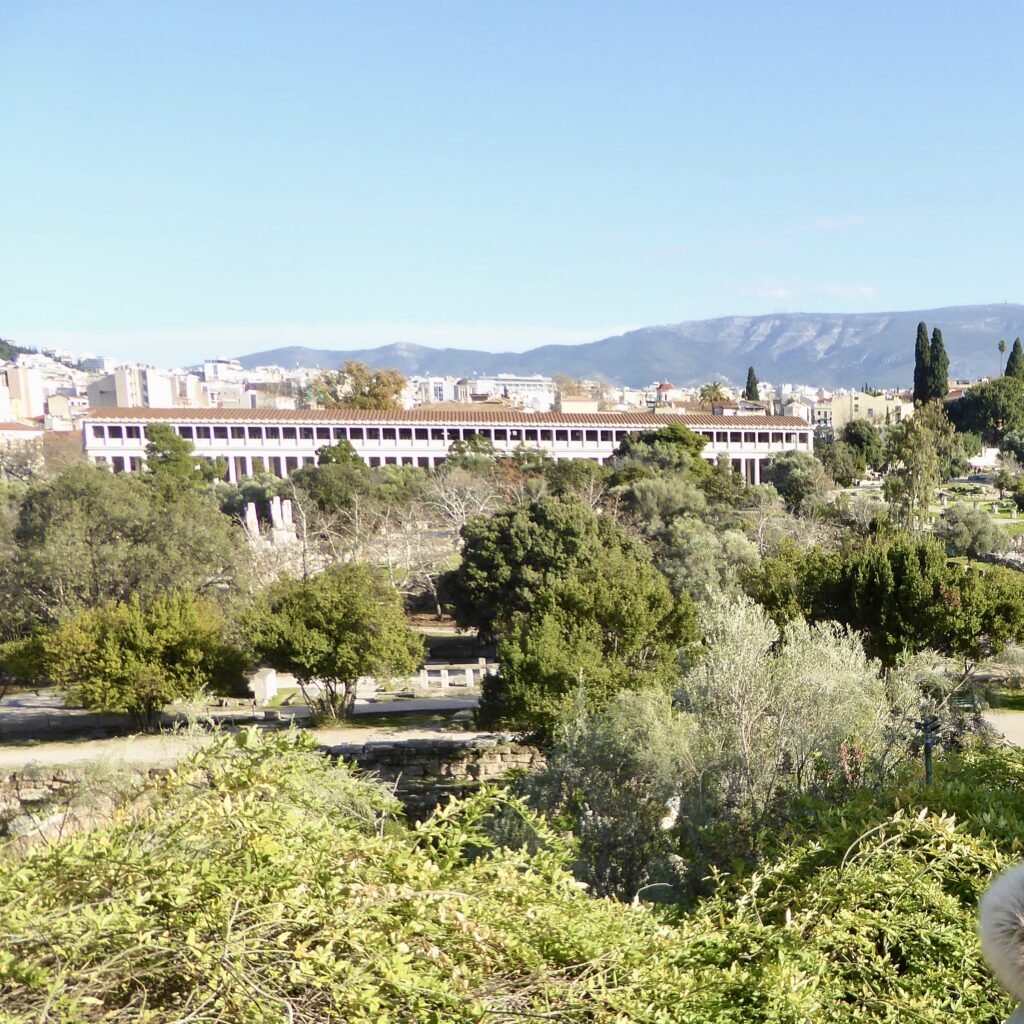
Rick Steves also offers a free audio guide for the Ancient Agora, which we recommend. Be sure to visit the reconstructed Stoa of Attalos to see what this building looked like in ancient times. There is a lovely little museum inside, which is a great place to escape the heat. Highlights include the Kleroterion (an early Athenian voting system) and a bronze shield captured from the Spartans.
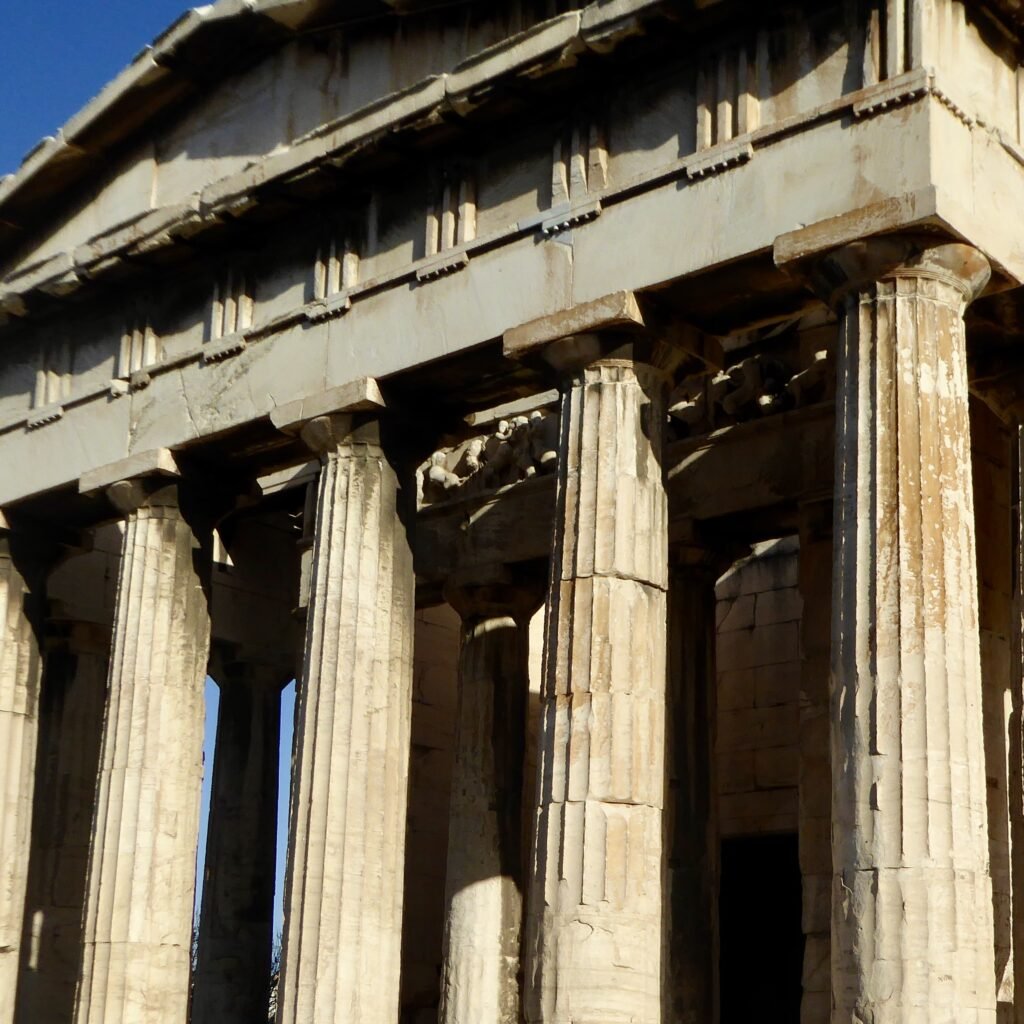
Another major highlight is the Temple of Hephaestus, dedicated to the blacksmith god. This temple is incredibly well-preserved because it was later used as a Christian church. To reach it, you need to climb a small hill, but the stunning views over the Agora and the Acropolis are well worth the effort.
Roman Forum
The Roman Forum is included in the combination pass. If you have time, you can stroll through this smaller site, but it is not necessarily a must-see. Our favorite structure in this area is the octagonal marble Tower of the Winds. Each side depicts one of the eight wind gods, and it historically served as a clock and sundial. You do not have to enter the site to see it; you can easily view it from the street on your way between the Ancient Agora and the Acropolis. If you want to learn more, it is a featured stop on the Rick Steves “Athens – City Walk.”
Arch of Hadrian and Temple of Olympian Zeus
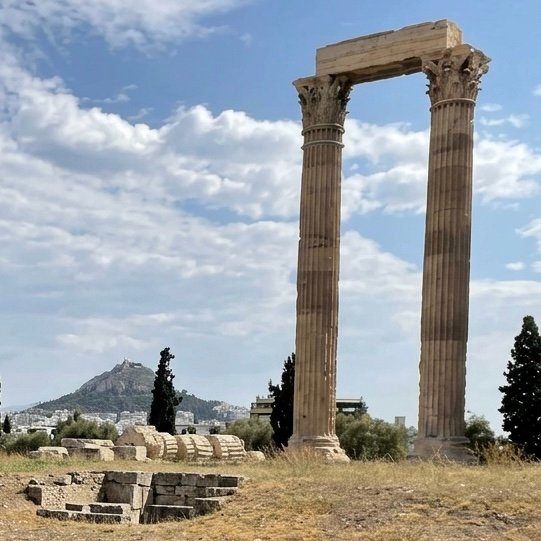
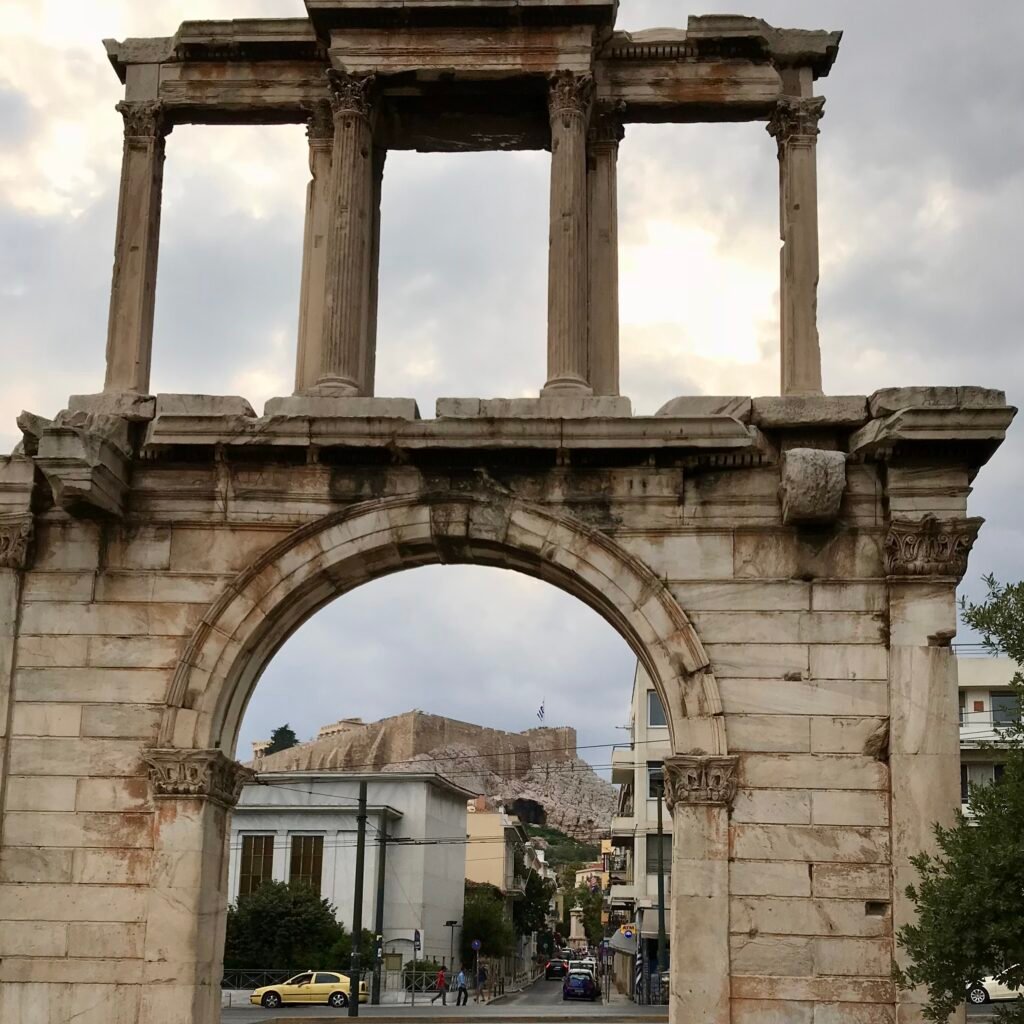
The Arch of Hadrian and the Temple of Olympian Zeus sit right next to each other, making them easy to combine in one visit. These sites are located just outside the Plaka area, close to the National Garden. If you prefer, you can easily view them from the street for a quick photo stop.
- The Arch: Built in 131 AD as a gift to Emperor Hadrian. One side says, “This is Athens, the ancient city of Theseus,” and the other says, “This is the city of Hadrian and not of Theseus.”
- The Temple: Once one of the largest temples in the ancient world, only a fraction of its colossal columns remain standing today. It is awe-inspiring to stand next to them and imagine the sheer scale of the original structure.
Parks and Public Spaces
Athens National Garden
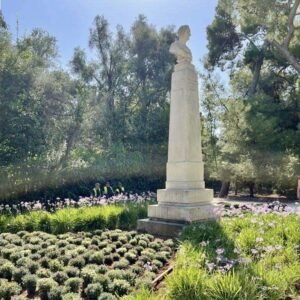
Another highlight for families is a walk through the Athens National Garden, located close to Syntagma Square and the Temple of Olympian Zeus. The garden was originally designed as the royal palace gardens in 1839 and officially opened to the public in 1927. This large, pedestrian-friendly park features numerous shaded trails where kids can run around and explore. With water features, ponds, and a playground, it offers a refreshing break from the hot sun and a welcome pause from sightseeing. If you want to learn more about the area’s history, the Rick Steves “Athens – City Walk” covers the gardens and the adjacent Parliament building.
Syntagma Square
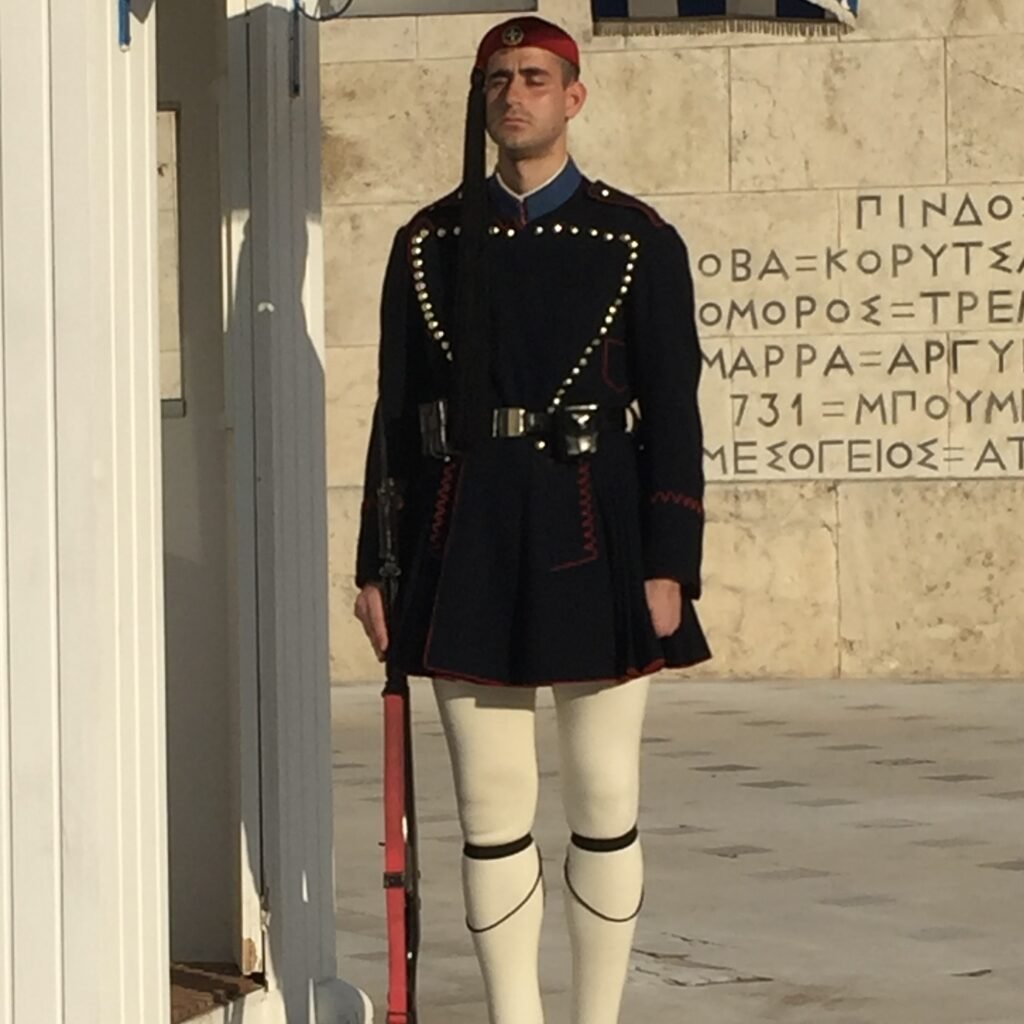
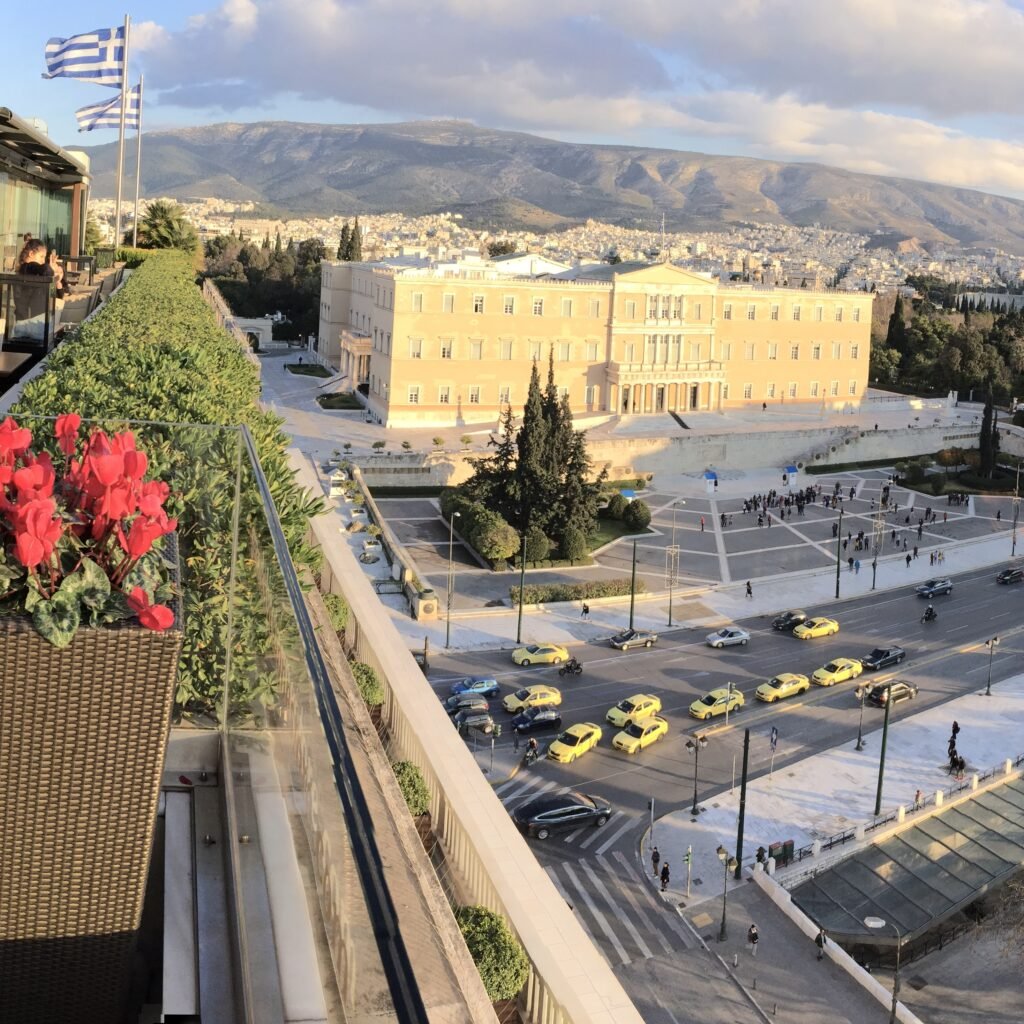
Syntagma Square is located next to the Greek Parliament Building, which houses the Monument to the Tomb of the Unknown Soldier. Guards from the Evzones unit of the Hellenic Army stand perfectly still while keeping watch over the tomb. These elite guards wear traditional uniforms and perform a highly synchronized changing of the guard ceremony every hour.
During peak tourist season in the summer, the area gets quite busy, so arrive a bit early if you want a good view. Keep in mind that there is no shade, so it gets very hot. Alternatively, you can view the ceremony from the Hotel Grande Bretagne Roof Garden Restaurant & Bar, though drinks are pricey at this upscale hotel.
Panathenaic Stadium
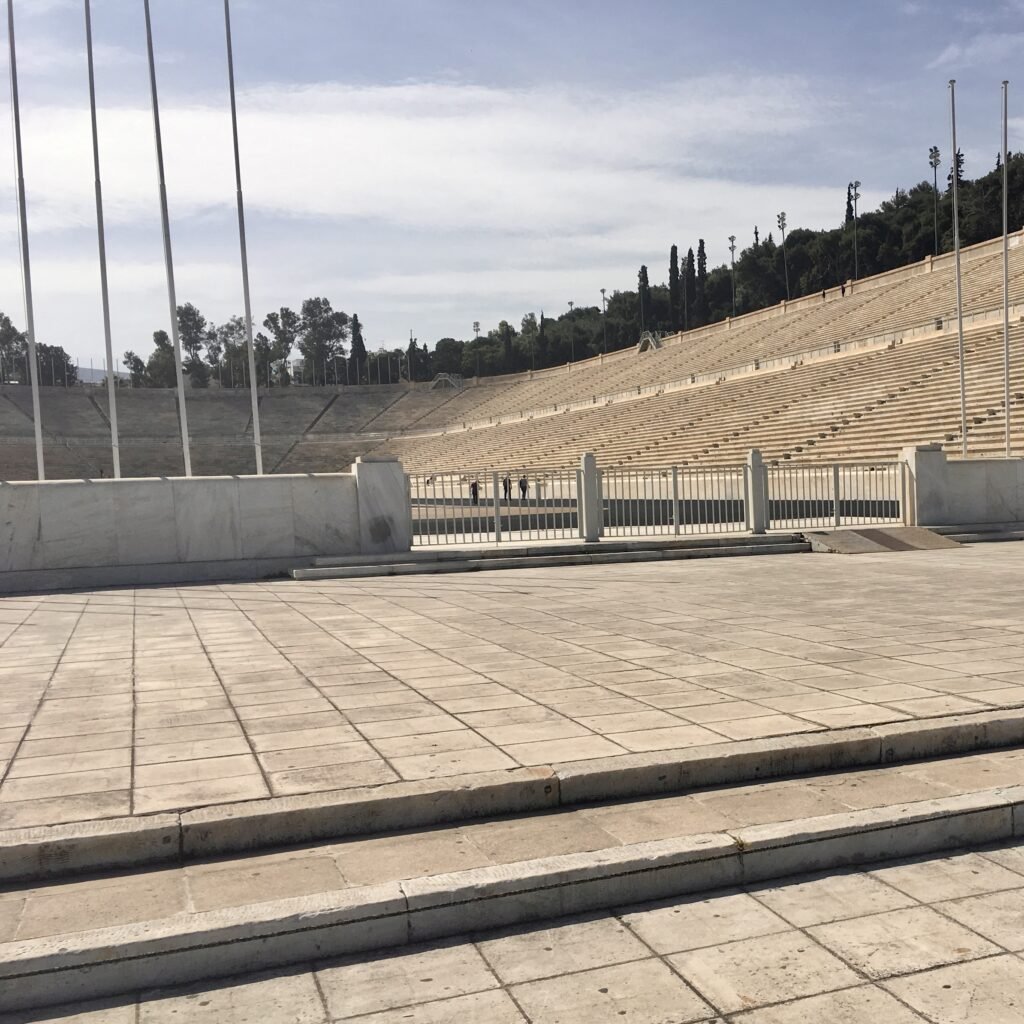
The Panathenaic Stadium is farther away from Plaka on the opposite side of the National Garden, so it may be a long walk for little legs. The original stadium was built around 330 BC, while the all-marble stadium you see today was reconstructed for the modern Olympic Games. You can pay to enter and tour the site, or simply stop for a quick view and photo from the outside.
Museums
Acropolis Museum
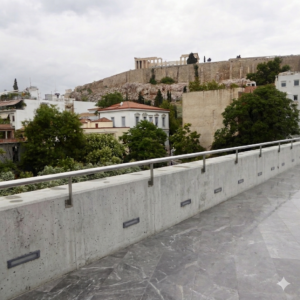
The Acropolis Museum is conveniently located in the Plaka neighborhood, right next to the Acropolis. This modern, air-conditioned museum holds artifacts related to the Acropolis, including the original Caryatids from the Erechtheion. On the top floor, the Parthenon Gallery displays original and replica sections of the Parthenon frieze in natural light. The museum offers its own audio guide, or you can follow a self-guided reading tour from the Rick Steves Greece: Athens and the Peloponnese guidebook. Note that there are glass floors overlooking the lower levels of the museum, so plan your family’s outfits accordingly.
Even if you don’t purchase tickets to tour the exhibits, the museum café and restaurant are worth visiting for their lovely shaded patio and views of the Acropolis. There is also a large gift shop near the main entrance. On the ground floor (before the ramp entrance), be sure to check out the glass-enclosed models of the Acropolis, which visually explain how the city changed over time.
National Archaeological Museum
For a broader and more in-depth look at Greek history, we prefer the National Archaeological Museum. It is not as conveniently located as the Acropolis Museum, so it is best reached by taxi or public transit. This museum displays magnificent artifacts from across Greece. Our family favorites are the gold treasures from Mycenae (including the Mask of Agamemnon), the towering Bronze Statue of Zeus or Poseidon, and the Statuette of Athena—a small model of the massive statue originally housed in the Parthenon. We appreciate how the layout allows you to travel through time, moving from early works of art to Roman-era statues.
Be aware that this museum is not ideal for very young children, as strollers and large backpacks are not allowed inside (though large items can be checked at the entrance). Thankfully, it is air-conditioned and features a small café and gift shop. If your family loves history, we highly recommend a visit.
Shopping
There are many excellent places to shop in Athens:
- Ermou Street: Starting at Syntagma Square and continuing down to Monastiraki Square, this pedestrian-friendly street features top international brands like H&M, Marks & Spencer, and Zara. We also love taking visitors to Korres Natural Products, a famous Greek brand that sells fantastic cosmetics, lotions, and shower gels.
- Plaka: The neighborhood wrapping around the base of the Acropolis. Most of the area is pedestrian-friendly and packed with charming souvenir shops, local restaurants, and plenty of ice cream spots.
- Varvakios Central Municipal Market: If you are interested in a traditional food market, visit Varvakios, which is only a short 10-minute walk from Monastiraki Square. The market sells fresh produce, fish, meat, spices, nuts, and much more. There are also a few authentic restaurants and cafés inside.
Conclusion
Athens offers incredible historical and cultural experiences for families to explore. Our top three highlights for travelers with children are the Acropolis, the Ancient Agora, and the National Garden. If you have more time, we definitely recommend visiting Syntagma Square to see the Tomb of the Unknown Soldier and touring the National Archaeological Museum. Just remember that the summer heat in Athens is intense.